November Educational Webinar: Strategies to Support Our Rural Responders
Join Us Virtually
Event Details
Course Title: Strategies to Support Our Rural Responders
CAPCE-Accredited – 1.0 CE hour
Duration: Approximately 60 minutes
This live webinar has already taken place, however, it is now available online through the WEMSA Learning Portal for anytime access. If you are interested in viewing the recording, please use one of the following buttons below. If you want CAPCE credit for completing the asynchronous course, please ensure you view the entire course, complete the post test, and complete the post survey.
Access the Course | Non-Member
Course Instructors:
|
James Small |
Scott Helle |
Nancy Magee |
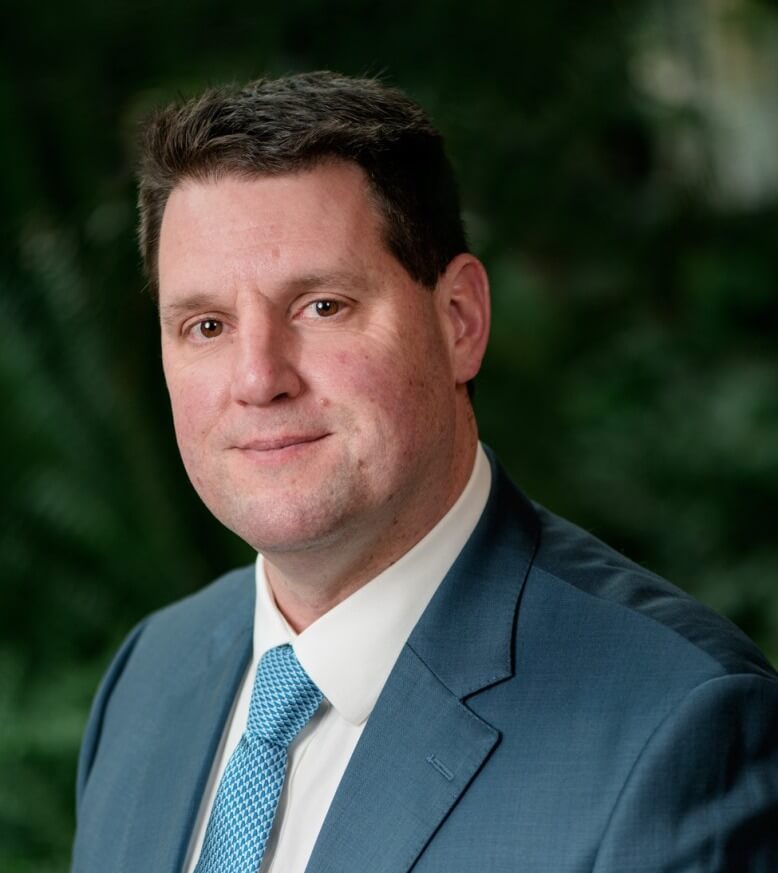
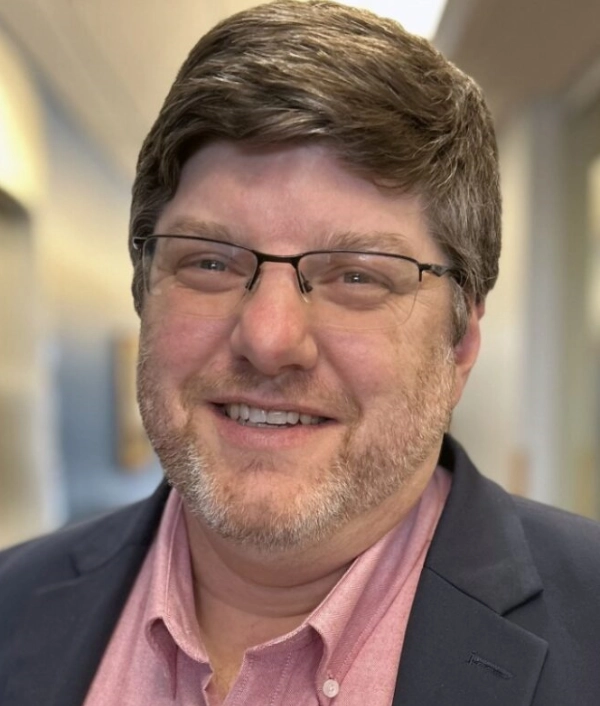
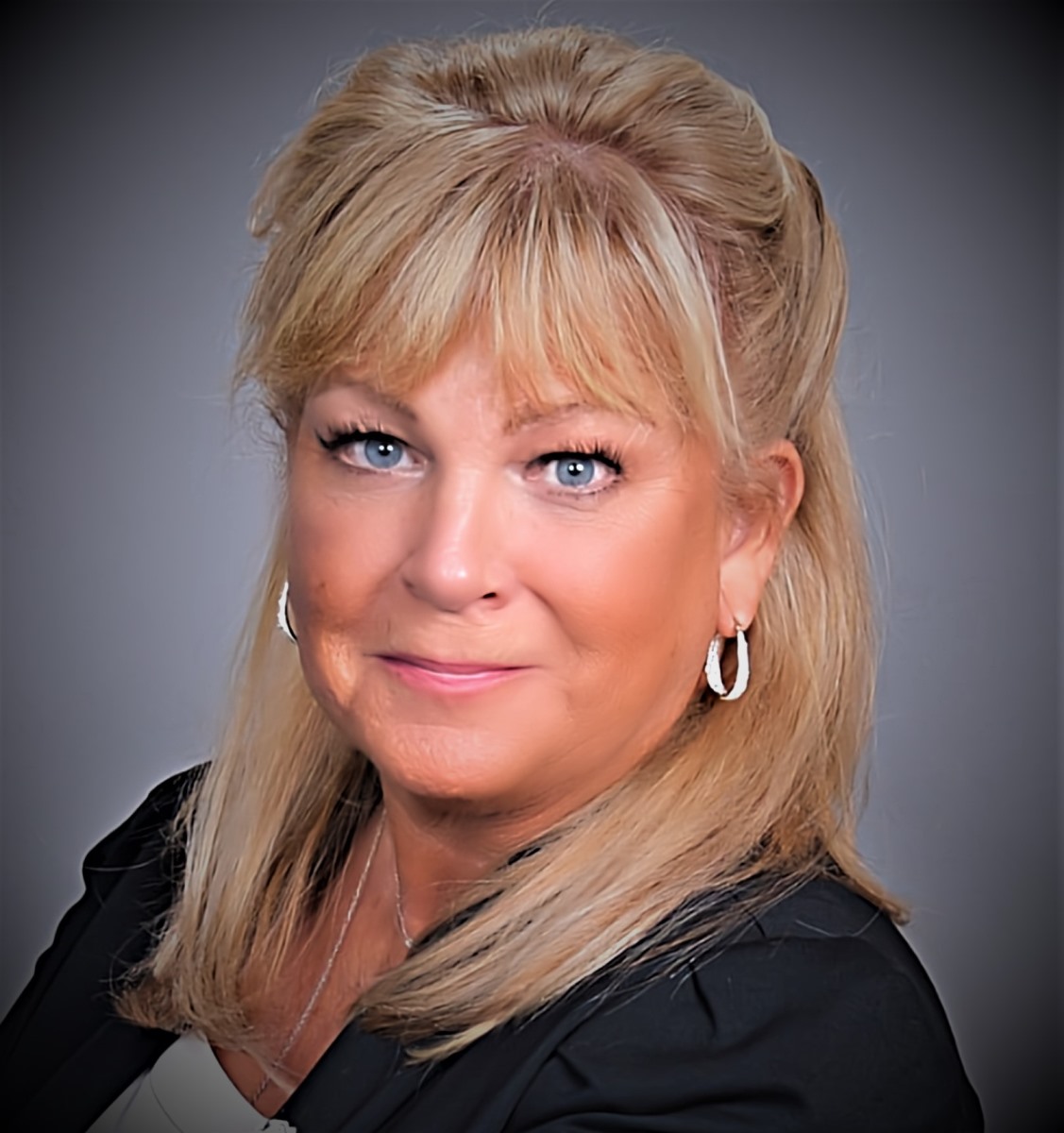
Course Description: Strategies to Support Our Rural Responders is a panel discussion exploring the realities, challenges, and successes of providing emergency medical services in rural communities. Panelists share firsthand experiences highlighting the impact of long transport distances, limited staffing, volunteer-dependent models, increasing call volume, and constrained resources. The conversation emphasizes practical, community-centered strategies to improve responder well-being, strengthen local EMS systems, and enhance collaboration with healthcare partners. Learners walk away with an understanding of how rural EMS providers adapt, innovate, and continue delivering high-quality care despite significant operational and geographic barriers.
Learning Objectives:
- Describe key operational and geographic challenges affecting rural EMS, including long transport times, staffing shortages, and hospital access limitations.
- Explain the role of community partnerships and local culture in sustaining rural EMS systems.
- Discuss practical approaches for improving service delivery in resource-limited rural settings, including training adaptations, regional coordination, and innovative response models.
- Recognize the impact of volunteerism and workforce dynamics on rural EMS sustainability.
Target Audience: EMS providers of all levels, especially those working in rural communities.
For More Information: